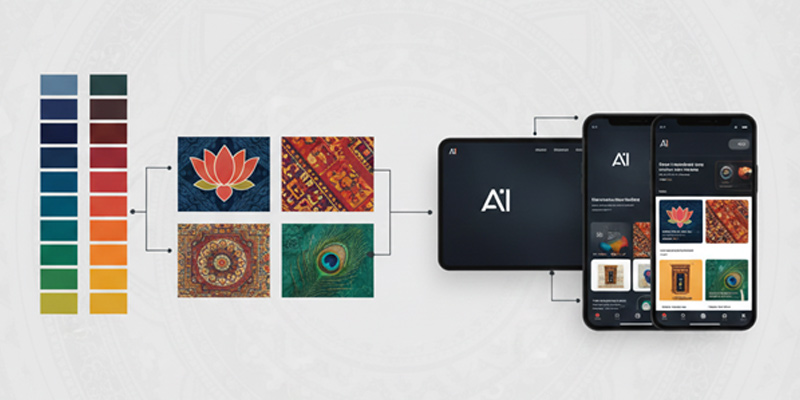
Colors are more than just design elements—they influence how people think, feel, and act. In marketing, the right color choices can shape customer emotions, highlight brand identity, and encourage action. This is why color psychology plays an essential role in visual marketing.
Marketing graphics through color is one of the best ways to attract attention and maintain strong ties with customers in a digital world where the customer comes first. The brand comes second, especially in tough cities like Bangalore. The importance of colors in customer behavior lies in the communication between the best digital marketing agency in Bangalore and your brand, which separates you from others.
In this blog, we’ll look at why brand color strategies are essential in branding. But first, we’ll define brand color, its different types, and the power of color in branding. So let’s get started!
Brand colors are a central part of a company’s visual identity. Most brands select 3 to 8 colors to form a color palette that reflects their personality, values, and style. A brand color palette is the set of colors consistently used to represent a business across all platforms.
Using brand colors in a planned, consistent way helps improve brand recognition and awareness. These colors appear in a company’s logo, website design, social media posts, business cards, and both digital and print advertisements. When used correctly, brand colors make a brand easier to recognize and more memorable to customers.
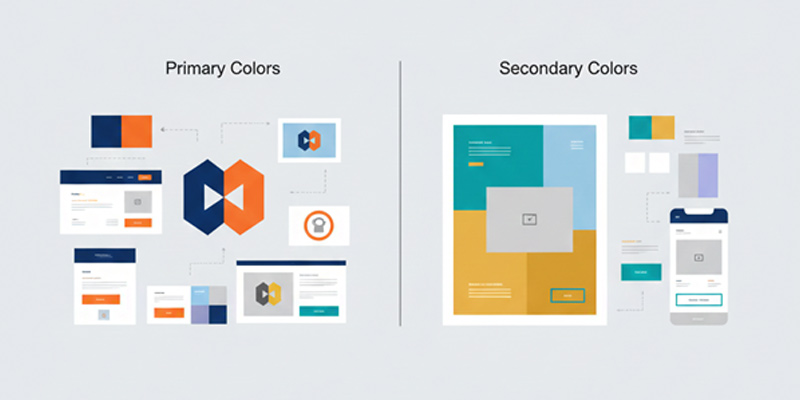
There are mainly two types of brand colors: Primary brand colors and Secondary brand colors. Both play an important role in building a strong and consistent brand identity.
Primary brand colors are the colors used across all brand materials, including logos, graphics, signage, advertisements, and marketing assets. These colors remain consistent everywhere. For example, when you think of Coca-Cola, the color red instantly comes to mind. This is because red is Coca-Cola’s primary brand color and is consistently used across its marketing.
Primary brand colors are closely connected to a brand’s visual identity and rarely change. The brand logo and primary colors work together to make the brand instantly recognizable.
Secondary brand colors support and enhance the primary brand colors. These colors offer flexibility and help keep the brand visuals fresh. Secondary brand colors are often updated to match current marketing trends or campaign goals. Websites, social media, packaging, and advertisements are common places, but they should not take over the whole design. To keep the brand consistent, it is preferred that the secondary colors together do not surpass 50% of the total visual content.
Many elements around us influence our emotions and state of mind, and colors play a significant role in this process. People's reactions to colors can vary based on factors such as age, gender, personal experiences, preferences, culture, and background. This is why color psychology in branding works differently for different audiences.
When used correctly, brand colors can trigger emotions, increase conversions, and build strong brand loyalty. Colors should never be an afterthought. By choosing the right colors for your website, logo, and marketing materials, you create a strong brand identity that connects with your audience on a subconscious level. The key is to ensure your brand colors create the proper emotional response.
Studies show that color can improve brand recognition by up to 80%, highlighting its importance in branding and marketing strategies.
Because of this substantial impact, marketers, branding experts, and brand consulting agencies now focus heavily on brand color psychology. They understand that the right color choices can directly influence customer perception and purchasing decisions.
Below are five key reasons why colors are essential in branding and how they help build a strong and memorable brand identity.
Your brand identity colors help create a strong visual experience for your target audience while clearly expressing your brand’s unique personality. The right color combination enhances the look of your website, marketing materials, and branded content, and also influences how customers interact with and connect with your brand.
Think about the brands you see every day. For example, what color comes to mind when you think of LinkedIn? Blue. What about MasterCard? Red and orange. And Netflix? Red and black. These examples show how brand colors stay in our memory.
This simple exercise proves that colors play a decisive role in brand recognition. By consistently using specific colors, businesses can make their brand easier to remember and instantly recognizable to customers.
A brand's color is generally the first thing customers notice and remember. Colors play a significant role in consumers' perceptions of your brand and can even affect their judgments. Selecting the right shades for your brand will not only make a strong impact on potential customers but will also be a competitive advantage for your business in a crowded market.
Whether on social media feeds or in stores, color is a simple yet powerful way to grab attention and differentiate your brand from competitors.
Color is an influential tool because it can trigger emotions and influence how people feel. It helps set the mood and reinforce your brand’s values.
For example, Honda reportedly increased sales by 35% at one dealership by completing deals in a room painted a calming blue. Similarly, a Virginia Tech study found that using red as a webpage background color increased customers' bids during e-bidding.
Long-term brand success depends on the emotional connections you build with your audience. Whether you want your brand to feel like a trusted advisor, a protective guide, or a fun companion, the right colors can help create those feelings and strengthen customer relationships.
Colors make visual communication more effective. The application of color in design not only emphasizes crucial details but also simplifies comprehension. Infographics, graphs, and data visualizations done with appropriate colors can draw the audience to your content, help them recall important facts, and help them acquire knowledge more quickly.
Studies show that readers spend more time on colorful images compared to black-and-white ones, as color naturally grabs attention. By using color strategically at any stage of the buyer’s journey, you can enhance your brand content, make it more impactful, and encourage customers to take the desired action.
A strong brand color strategy goes beyond aesthetics; it considers cultural meanings, market trends, and audience preferences to create a lasting impression. In India’s diverse market, understanding local cultural associations with colors is essential for effective graphic design and brand communication.
Partnering with Bud, a creative design agency, can help businesses choose colors that resonate with their target audience, enhance brand recognition, and drive engagement. By aligning color choices with both cultural insights and market expectations, brands can create visuals that are not only attractive but also strategically impactful.
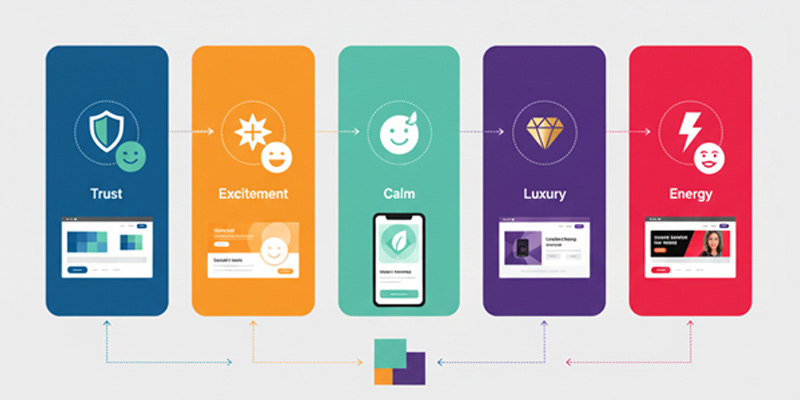
Colors play a significant role in setting up and enhancing a brand. Each color creates a unique psychological impact, which is why selecting the right brand color is so important. Many companies invest in creative strategies to select colors that express the right message and resonate with their audience.
Now that you’re aware of the role and impact of brand colors, stay tuned for more insightful blogs on effective branding and design strategies!

WE ARE AN OFFICIAL GOOGLE PREMIER PARTNER